You admire the unique Japanese outfits you see on social media, but you don’t know where to start to adopt this style? Beyond clichés like the kimono or the Harajuku district, contemporary Japanese fashion blends traditional influences, American streetwear, and functional minimalism, creating truly original dress codes. In this article, you’ll discover the main currents of Japanese fashion, their characteristics, and how to incorporate them into your wardrobe.
What Is Japanese Clothing Style?
Japanese clothing style is not a single look, but rather a collection of movements that combine tradition and modernity in surprising ways.
Traditional roots
At the heart of this fashion are traditional garments such as the kimono (a formal outfit) and the yukata (a lighter summer version). These pieces are still worn on special occasions and continue to influence Japanese designers today.
American influence
Since the post-war era, Japanese fashion has been heavily inspired by American style. High-quality denim, bomber jackets, military parkas, and workwear are reinterpreted with obsessive attention to detail. This fusion has led to iconic pieces like the souvenir jacket (sukajan), blending traditional Japanese embroidery with vintage American cuts.
Contemporary Movements
Several styles coexist today:
- Functional minimalism: focuses on simplicity, solid fabrics, and well-tailored cuts. Brands like Uniqlo embody this approach.
- Harajuku streetwear: born in Tokyo in the 1980s, it promotes total creative freedom. It includes substyles like Lolita (doll-like dresses), Decora (layered colorful accessories), and Gyaru (rebellious, tanned, bleached look).
- Kawaii aesthetic: incorporates cuteness into adult fashion, with layering and asymmetry.
What Are These Styles Called?
Each movement has its own name. “Harajuku fashion” refers to creative streetwear, “wafuku” to traditional clothing, and “Japanese street style” to the broader aesthetic. The term “J-fashion” encompasses all contemporary Japanese fashion.
This diversity means that adopting a “Japanese style” can range from clean minimalism to bold, eccentric Harajuku-inspired looks.
Key Characteristics and Signature Elements
Japanese style is instantly recognizable through its unique use of volume and layering. This approach creates silhouettes that are both structured and fluid. Iconic pieces like the kimono, wooden geta sandals, and sukajan jackets carry centuries of tradition while fitting perfectly into modern fashion.
Cuts designed for movement
Japanese clothing favors loose silhouettes that allow freedom of movement. The traditional kimono, with its T-shape and wide sleeves, perfectly embodies this philosophy. This approach continues in modern garments like the hanten (quilted jacket) or samue (Zen attire).
A calming color palette
Japanese fashion relies on soft, natural tones. Pastels, earthy shades, and neutral colors dominate, reflecting a cultural pursuit of harmony and serenity.
Comfort above all
One striking aspect of modern Japanese style is the presence of sneakers—even in formal outfits. Comfort is a priority, sometimes even with unconventional choices like styling Crocs.
Distinctive accessories
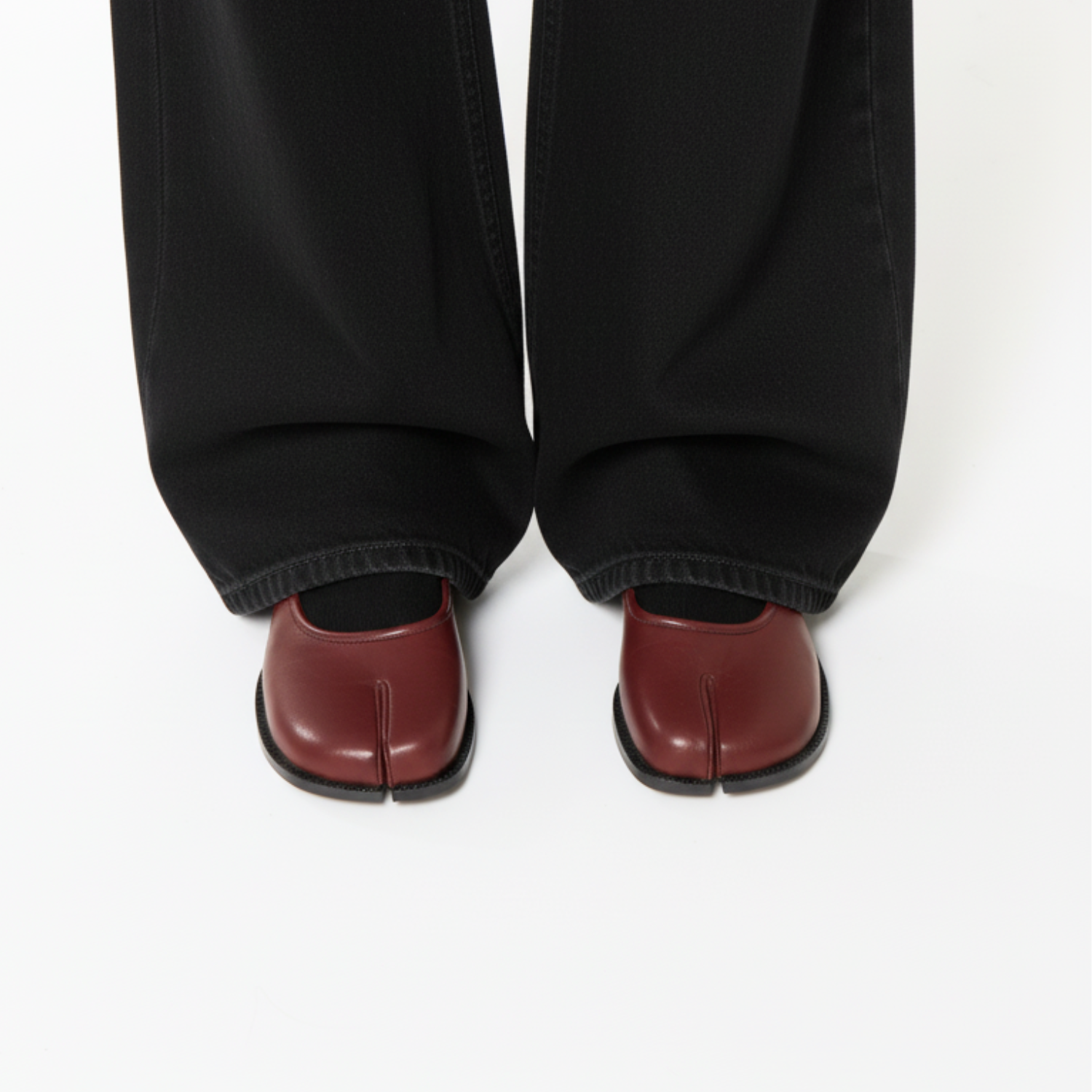
Accessories follow their own codes. Tabi socks (split-toe) improve posture and allow traditional sandals to be worn comfortably. Geta sandals elevate the silhouette naturally. These are not mere details—they define the outfit’s balance.
Simplicity as a philosophy
Japanese clothing is defined by intentional simplicity. No unnecessary details—every element has a purpose. This minimalist approach creates clean yet never boring looks.
Traditional Accessories and Patterns
Japanese accessories carry deep symbolism. Geta sandals pair with tabi socks, while patterns like seigaiha waves symbolize prosperity, asanoha leaves represent growth, and tsuru cranes signify longevity.
The sukajan perfectly embodies the blend of tradition and modernity, with embroidered dragons, cherry blossoms, and phoenixes adapted into streetwear. Contemporary accessories follow the same logic: kawaii caps, geometric sneakers, or embroidered beanies.
Kimono and yukata fabrics feature seasonal motifs—autumn chrysanthemums, winter snowflakes, or spring sakura—each telling a story.
Overview of Japanese Styles
Japanese fashion is divided into distinct worlds:
- Traditional style: still present in everyday life
- Harajuku: bold, colorful, and experimental
- Lolita: Victorian-inspired dresses and lace
- Decora: playful overload of accessories
- Visual Kei: rock-inspired, androgynous looks
- Kawaii: soft, childlike aesthetic
- Modern streetwear: oversized cuts and graphic prints
- Minimalism: clean lines, neutral colors, no logos
This diversity reflects Japan’s ability to merge extremes harmoniously.
Cultural Influences and Fusion
Japanese fashion thrives on cultural blending.
American military influence is evident in bombers, cargo pants, and parkas—reinterpreted with refined proportions. Japanese denim showcases unique craftsmanship, using traditional techniques to create distinctive aging effects.
The souvenir jacket (sukajan) symbolizes this fusion, combining American military heritage with Japanese artistry.
Designers often integrate kimono sleeves into modern garments or transform traditional pieces like hakama into urban wear, creating hybrid styles that feel both local and global.
Japanese Designers and Brands to Know
Japan has produced influential designers such as Rei Kawakubo (Comme des Garçons) and Yohji Yamamoto.
In streetwear, brands like BAPE, Neighborhood, Sacai, and Undercover dominate.
For minimalism, Uniqlo and Auralee stand out.
Emerging designers like Doublet and Anrealage push boundaries with innovation and technology.
How to Adopt Japanese Style
Start with key pieces:
- A modern kimono jacket
- Wide-leg pants inspired by hakama
- An oversized cardigan
Mix volumes: pair fitted and loose pieces.
Stick to neutral colors (black, white, beige) and add subtle traditional patterns.
Choose minimal accessories: delicate jewelry, furoshiki bags, or sleek sneakers.
Most importantly, embrace the wabi-sabi philosophy: simplicity, imperfection, and balance.
Focus on Tabi: The Japanese Icon in Western Fashion
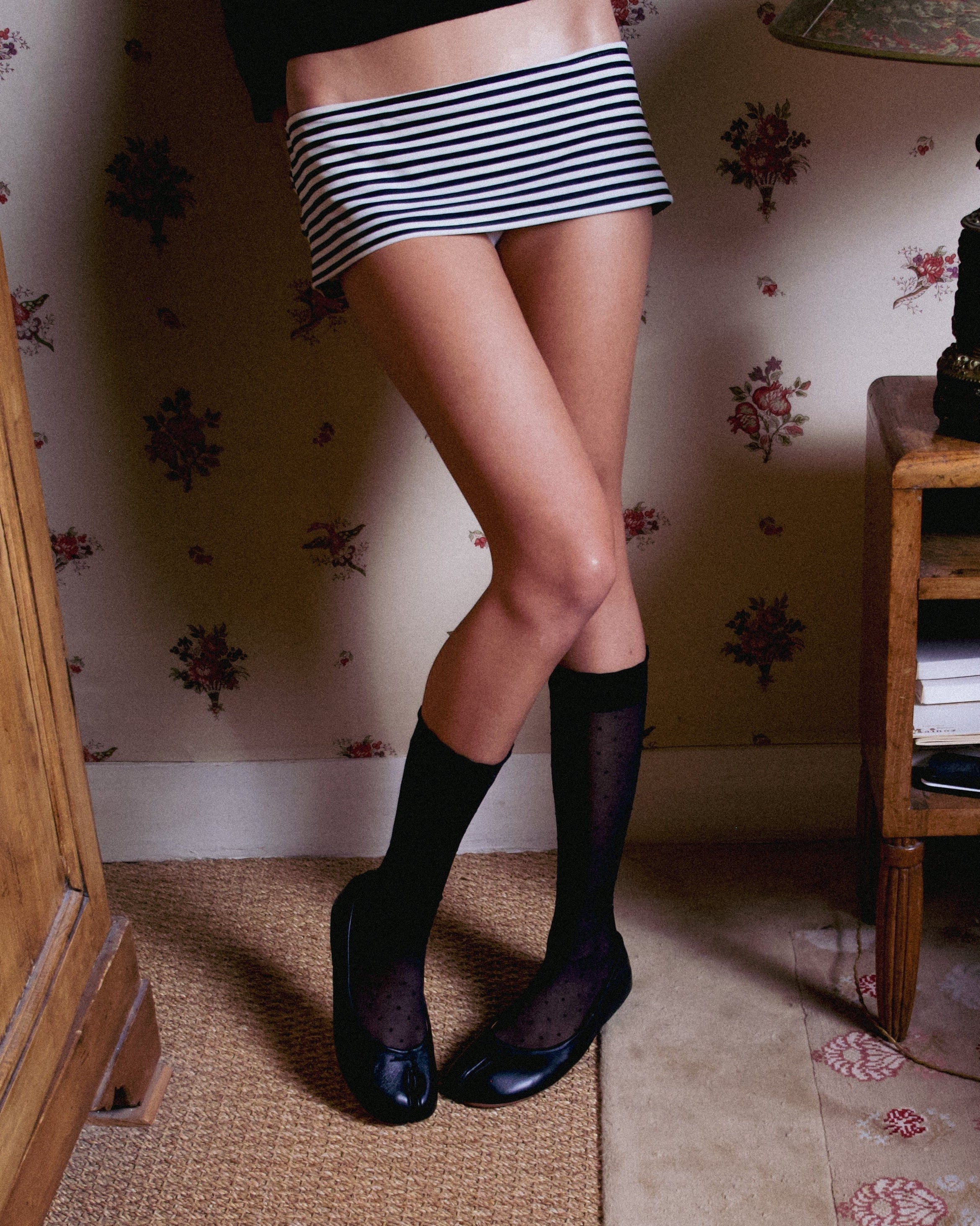
Tabi—split-toe socks or shoes—are essential to Japanese style. Traditionally worn with geta or zori, they improve balance and posture.
Today, they are making a strong comeback. Designers like Maison Margiela have reinvented them as boots, sneakers, and sandals.
Their appeal lies in their bold mix of tradition and avant-garde. Whether worn as socks or shoes, tabi instantly add a distinctive Japanese touch to any outfit.
Current Trends in Japanese Fashion
Modern Japanese fashion blends tradition with streetwear energy.
Oversized sweatshirts, technical jackets, and cargo pants are combined with traditional details. Brands like Neighborhood and BAPE emphasize unisex silhouettes and bold graphics.
What makes it unique is the integration of heritage elements into modern outfits—like the hanten jacket or jinbei-inspired designs.
Recent trends highlight camouflage prints and handcrafted accessories, with Harajuku remaining a global hub of creativity.