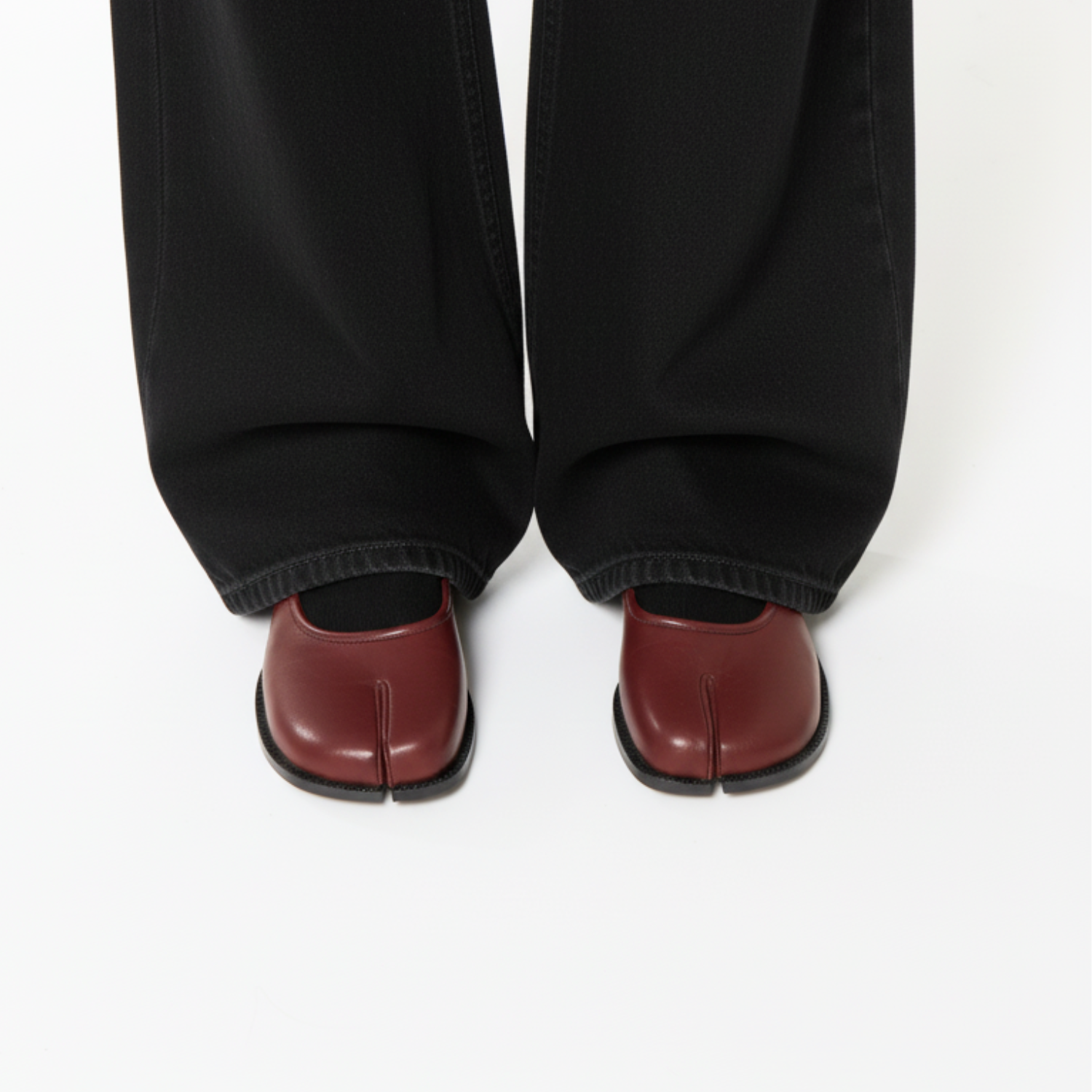
Tabi shoes, these iconic shoes of Japanese origin, have become much more than a simple fashion accessory. Their unique design, marked by the separation between the big toe and the others, attracts enthusiasts from all over the world. But with their growing popularity, counterfeits are multiplying and it can sometimes be difficult to distinguish authentic models from copies. So, how can you recognize real Tabi shoes? In this complete guide, we give you all the keys to identifying authentic Tabi and avoiding pitfalls when purchasing.
Why the authenticity of Tabi shoes matters
Buying a pair of Tabi is not just about owning trendy shoes. Behind every original model lies craftsmanship, manufacturing quality, and value that justify their price. Understanding the importance of authenticity not only protects your investment but also respects the work of the designers.
The true price of authentic Tabi
An authentic Tabi has nothing in common with the low-cost copies flooding the market. Its price always reflects the quality of the materials, the care put into the finishes, and the long-lasting comfort it provides.
At Furansu, we have chosen a clear positioning:
working with high-quality leather that is supple and durable,
ensuring careful manufacturing with regular stitching and strong soles,
offering a fair and transparent price that reflects the real value of the product without excessive markup linked to a simple logo.
As a result, our Tabi are designed to last while remaining accessible, unlike unaffordable luxury models or low-quality counterfeits.
Why you should avoid counterfeits
Fake Tabi quickly reveal their poor quality: stiff synthetic leather, visible glue, fragile soles, and imprecise cuts. Not only do they lose their shape quickly, but they also make walking uncomfortable.
By choosing these “false bargains,” you miss out on the unique experience that real Tabi provide: comfort, elegance, and durability.
The quality of authentic Tabi
What truly distinguishes original Tabi from imitations is their quality. Each pair is designed to last and reflects the craftsmanship of the house that created it.
High-end materials
A real Tabi is always made from premium materials. The leather used by Maison Margiela is supple, durable, and ages beautifully. To the touch, it should not feel excessively stiff or show coarse imperfections.
The inner linings are also carefully crafted, often in fine leather or premium textiles, ensuring optimal comfort. Copies, on the other hand, use faux leather or plastic-like materials, recognizable by their artificial shine and chemical smell.
Impeccable finishes and stitching
The regularity of the stitching is a clear sign of authenticity. On a genuine Tabi, every stitch is perfectly aligned, with no loose threads or visible glue marks. The sole is firmly attached and the edges are clean.
Counterfeit Tabi, however, often show rough, irregular stitching and areas where glue overflows. These defects, visible to the naked eye, reveal mass industrial production without strict quality control.
Unique artisanal craftsmanship
Original Tabi are not just shoes: they are design pieces shaped by artisanal craftsmanship. Every detail is designed to respect the spirit of the original model while offering modern comfort.
This expertise is reflected not only in the product’s durability but also in its elegant cut and overall silhouette. Where counterfeits seem approximate, authentic Tabi stand out through their precision and harmony.
Distinctive signs of genuine Tabi
Recognizing authentic Tabi requires careful observation of certain specific details.
Materials and finishes
A close examination of the leather or textile quickly reveals quality. Genuine leather is supple, slightly textured, and ages well, whereas synthetic materials crack quickly. Original Tabi also feature perfectly polished edges and carefully finished linings.
Stitching and sole
Stitching is probably the most reliable indicator: regular, strong, and discreet. The sole should be sturdy, perfectly glued or stitched, and sometimes display a subtle marking indicating the fashion house or a serial number.
A sole that is too thin, too rigid, or poorly glued is often a sign of a counterfeit.
Discover our different Tabi
Kyoto Tabi
The Kyoto Tabi offered by Furansu first stands out for its clean design and careful finishes. Available from size 36 to 45, it fits most foot sizes. Made from quality leather, it features a sturdy sole and a cut that remains faithful to the traditional spirit while adding a contemporary touch. The available colors (black/white or variations depending on stock) allow great versatility in outfits. For a model that is both elegant and easy to wear, the Kyoto Tabi is an excellent choice.
Hikari Tabi
The Hikari Tabi stands out for its brightness and modernity. Also available in many sizes (38 to 46), it is perfect for those looking for a more striking or luminous Tabi style. Smooth leather highlights the iconic split-toe lines while maintaining optimal comfort. Furansu has offered it at a promotional price, making it an attractive option for those seeking a balance between style, authenticity, and budget.
Kuro Tabi
The Kuro Tabi represents the most understated and classic version: the word “Kuro” means “black” in Japanese—and it shows. This model is available in black, white, beige (and sometimes other colors depending on the collection) and offers a very minimalist aesthetic, ideal for a refined look. The materials appear to be high quality, and sizes generally range from 36 to 43 or more depending on the season. For everyday wear or a more dressed-up outfit, the Kuro Tabi blends easily into many styles.
Hana Tabi
Finally, the Hana Tabi combines elegance and lightness. “Hana” means “flower” in Japanese, and this model reflects a desire to bring a softer touch: light colors (beige, black), carefully crafted leather, and particular attention to comfort. It is the best option for those looking for a lighter Tabi or subtle yet refined colors. Its availability in common sizes and its thoughtful design make it a favorite piece in the collection.