Tabi and Bunions: How They Can Help Relieve Your Pain
Bunions, or hallux valgus, are a common and often uncomfortable condition. They appear as a deviation of the big toe inward, creating a painful bump at the base of the foot. This deformity, often hereditary, can be worsened by wearing tight shoes, unbalanced weight distribution, or muscle weakness.
Faced with this chronic discomfort, many people look for natural and comfortable solutions. Among them, an option from Japan stands out: tabi, these split-toe socks that are increasingly intriguing wellness enthusiasts. Beyond their aesthetic and cultural appeal, tabi may offer real benefits for posture, circulation, and overall comfort for people suffering from bunions.
In this article, let’s explore how these Japanese socks can help relieve bunion-related pain—and why they deserve a place in your daily routine.
What Are Tabi?
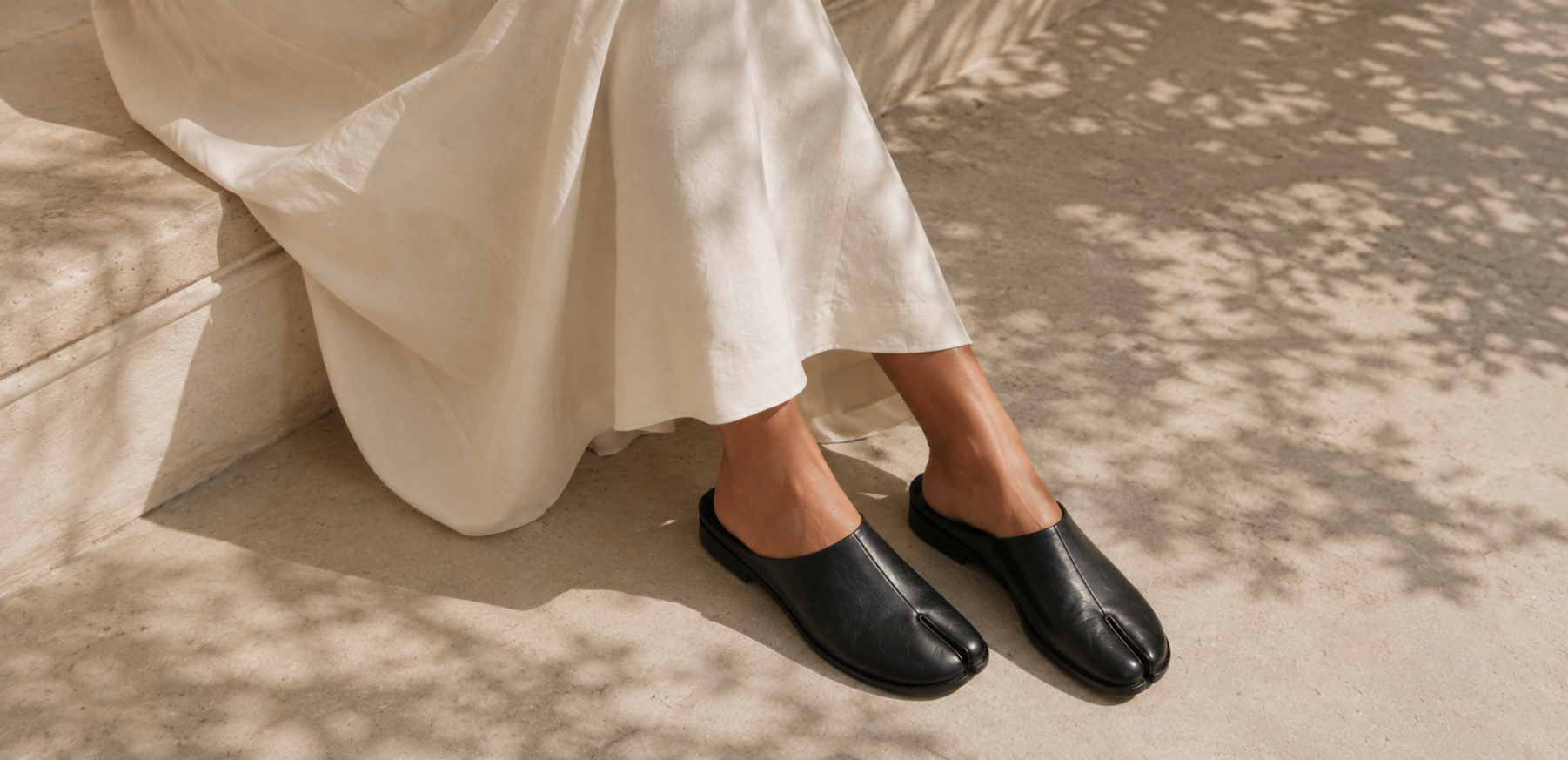
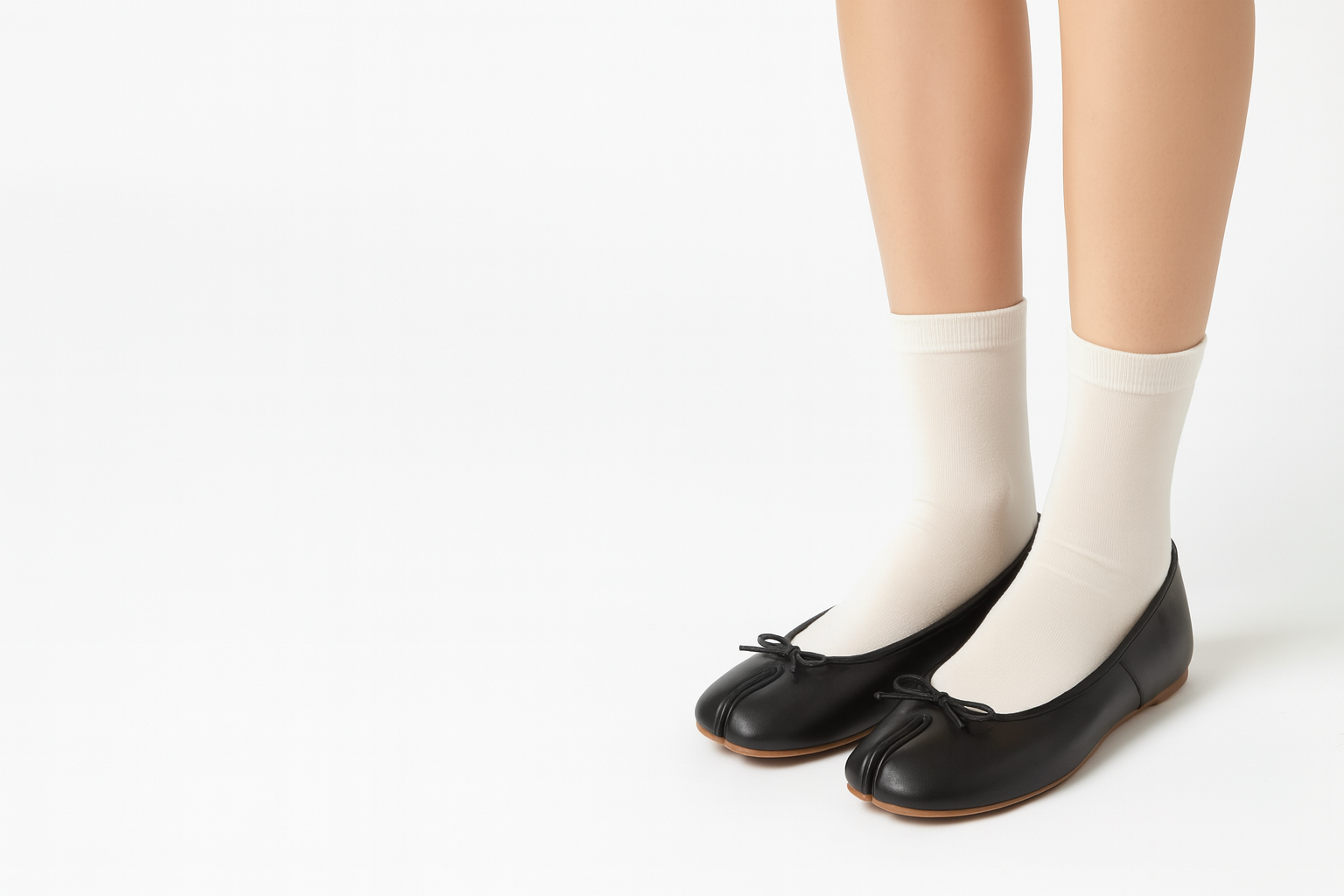
Tabi are traditional Japanese socks distinguished by a separation between the big toe and the others. Their unique shape promotes better foot mobility, natural toe alignment, and a sense of lightness rarely found in regular socks.
Once reserved for traditional clothing, tabi are now reimagined by modern brands seeking to combine tradition, comfort, and foot health.
Origin and Meaning of Tabi in Japan
Tabi first appeared in Japan in the 15th century, when the nobility wore thong-style sandals. To wear these sandals elegantly, specially adapted socks were needed—this is how tabi were born. Their white color symbolized purity and cleanliness, values deeply rooted in Japanese culture.
Beyond aesthetics, tabi also reflect a philosophy: a body free in its movements and a foot in harmonious contact with the ground. In Japanese thought, the foot is not just a support—it is central to physical and energetic balance. Wearing tabi is therefore also about respecting this natural connection between the body and the earth.
Different Types of Modern Tabi
Over time, tabi have evolved to suit contemporary lifestyles.
Traditional tabi are still used for martial arts, Noh theater, or certain ceremonies.
Tabi socks, more flexible, are worn daily and provide breathable comfort.
Sports tabi use technical materials for walking, yoga, or running.
Finally, some brands design orthopedic tabi specifically intended to improve foot support and relieve plantar pain.
This diversity makes tabi accessible to everyone—whether for cultural, aesthetic, or purely functional reasons.
Understanding Bunions (Hallux Valgus)
Before explaining how tabi can help, it’s essential to understand what a bunion actually is.
Hallux valgus is a progressive deformity of the big toe. It shifts inward, while the joint at its base protrudes outward, forming a bump that is often red and painful. This condition affects about one in three women over 40, although men can also suffer from it.
What Is a Bunion?
A bunion is both a bone and joint deformity. Beyond its appearance, it is a biomechanical disorder: the axis of the big toe shifts, disrupting the entire balance of the foot.
This can lead to localized pain, discomfort when walking, and difficulty wearing certain shoes.
The Most Common Causes
The causes of hallux valgus are varied:
- Wearing tight or high-heeled shoes that compress the toes
- A hereditary predisposition, often seen in families
- Muscle or ligament weakness in the foot
- Certain repetitive postures or physical activities
Over time, these factors create imbalances that encourage the big toe to deviate.
Symptoms and Impact on Walking
Early signs include discomfort in shoes, pain at the base of the big toe, or visible inflammation. If left untreated, the deformity worsens: the foot becomes wider, the other toes may curl, and walking becomes less stable.
In advanced cases, hallux valgus can also lead to knee or back pain, as the body compensates for poor weight distribution.
Can Tabi Help Relieve Bunions?
Tabi are not meant to medically correct a significant bone deformity, but they can help reduce pain, prevent worsening, and improve daily comfort. Thanks to the separation of the big toe, they encourage a more natural foot position while reducing friction that causes irritation.
Toe Separation: A More Natural Alignment
The design of tabi promotes a physiological alignment of the toes. By isolating the big toe, the foot regains its role in balance and stability. This small separation can relieve pressure on the metatarsal joint and relax the foot’s intrinsic muscles.
People with bunions often notice that their toes “breathe” better and that walking feels smoother.
Better Circulation and Reduced Friction
Unlike regular socks, tabi reduce sweating and friction between the toes. This improved ventilation helps prevent inflammation and blisters, which are common among people with hallux valgus.
Additionally, by stimulating microcirculation, tabi support better tissue oxygenation, promoting muscle relaxation and recovery after walking or exercise.
Insights from Health Professionals
Several podiatrists and physiotherapists highlight the benefits of split-toe socks for improving proprioception and limiting the progression of deformities. Some even recommend them as a complement to orthopedic treatment, especially after rehabilitation sessions or during post-operative recovery.
Of course, they are not a medical substitute, but rather a comfort tool that supports overall foot well-being.
How to Choose the Right Tabi for Foot Comfort
Not all tabi are created equal. To get the best results, it’s important to choose models suited to your foot shape and intended use.
The first criterion is material: opt for soft, breathable, and slightly stretchy fabrics. Organic cotton, fine wool, or bamboo fibers are ideal for everyday wear.
Material, Size, and Support
A good pair of tabi should fit the foot without compressing it. If the fabric is too stiff, it may increase pressure points; too loose, and it loses its alignment function.
Ankle support is also important to prevent the sock from slipping while walking. Models with light arch support provide added comfort for sensitive feet.
Best Uses: Home, Sport, Relaxation, Walking
Indoor tabi are perfect for relaxation or meditation, allowing free movement while keeping the feet warm.
Sports tabi are reinforced at the heel and forefoot to absorb impact, making them suitable for activities like yoga, running, or walking.
For everyday use, urban tabi can be worn with appropriate footwear and offer real freedom of movement, especially after long hours standing.
Care and Durability
Tabi are easy to maintain. A gentle wash at 30°C and air drying are sufficient. Natural fabrics retain their elasticity and breathability over time.
High-quality models can last for years, making them a durable investment for both your feet and the planet.
Conclusion: Tabi, a Natural Approach to Bunions
Tabi offer more than just aesthetic comfort. They represent a different way of caring for your feet—by respecting their natural shape, improving circulation, and reducing the constraints that cause pain.
While they do not replace medical treatment, they provide a gentle and preventive approach, ideal for supporting daily life with bunions.
Adopting tabi means returning to the essentials: restoring the foot’s role in grounding, balance, and free movement.
Inspired by an ancient Japanese tradition, they offer a modern answer to a common problem. And sometimes, a simple change of socks is all it takes to bring a little lightness back into your step.