Japanese shoes are becoming increasingly popular around the world for both their aesthetics and their unique comfort. Whether you are a fashion enthusiast, passionate about Japanese culture, or simply looking for a different and functional style, these shoes are an original and practical choice.
Wearing Japanese shoes is not just about putting on a pair — it is about understanding their history, their unique characteristics, and how to integrate them naturally into your daily life. This complete guide explains everything you need to know, from the different types of Japanese shoes to their maintenance, with a special focus on tabi, one of the most iconic models.
What Are Japanese Shoes?
Japanese shoes include several traditional models designed to combine comfort, freedom of movement, and style. Each type has its own specific purpose, whether for daily walking, ceremonies, or sports.
Different Types: Geta, Zori, Jika-tabi
Geta: elevated wooden sandals often worn with kimonos or for traditional occasions. They help protect the feet from moisture and allow comfortable walking on different surfaces.
Zori: flat sandals usually made from straw, wood, or rubber. They are versatile and comfortable, suitable for both indoor and outdoor use, and are now available in modern flexible-sole versions.
Jika-tabi: flexible split-toe shoes that offer excellent freedom of movement and a more natural connection to the ground. They are highly appreciated for work, sports, and urban walking.
Origins and Cultural History
The history of Japanese shoes dates back several centuries. Originally designed to accompany traditional clothing such as the kimono, they reflect Japanese values of simplicity, harmony, and functionality.
Tabi, for example, originally appeared as split-toe socks worn with sandals such as geta or zori. Their design helped keep the sandal secure while improving foot mobility and promoting a more natural stance. Today, these shoes have evolved into modern designs adapted to urban lifestyles and everyday comfort.
Why Wear Japanese Shoes Today?
Beyond their cultural and aesthetic appeal, Japanese shoes offer several practical advantages for daily life. They combine comfort, style, and foot-health benefits.
Comfort and Respect for Foot Shape
One of the biggest advantages of Japanese shoes is their ability to respect the natural shape of the foot. Models such as jika-tabi or modern tabi provide balanced weight distribution and encourage a natural stance. Unlike narrow Western shoes, they reduce pressure points and discomfort caused by restrictive footwear.
Unique Aesthetic and Style
Wearing Japanese shoes is also a way to express a distinctive style. Whether traditional sandals or redesigned tabi, these shoes add an original touch to any outfit. They pair equally well with modern clothing and minimalist or traditional-inspired looks.
Benefits for Posture and Walking
Certain Japanese shoes, especially tabi, encourage natural foot alignment and improve overall posture. Separating the big toe helps improve balance, walking stability, and reduces muscle fatigue. These shoes may also help prevent joint discomfort, particularly in the ankles and knees, often caused by poorly adapted footwear.
How to Choose the Right Pair of Japanese Shoes
Choosing Japanese shoes requires considering several factors to fully enjoy their benefits.
Size and Fit
Selecting the correct size is essential so the shoe fits the foot properly. Shoes that are too large may slip and create friction, while shoes that are too tight may compress the foot and reduce ergonomic benefits. Tabi in particular should follow the natural contour of the toes for optimal comfort.
Materials and Craftsmanship
The materials used strongly influence comfort and durability. Japanese shoes can be made from wood, straw, leather, suede, or technical textiles. Modern models in soft leather or breathable fabric offer both a contemporary look and long-lasting comfort.
Indoor, Outdoor, or Sports Use
Some models are designed for indoor use (such as lightweight zori), while others are intended for outdoor use or even sports activities (reinforced tabi or jika-tabi). Choosing the right model for your lifestyle helps prevent premature wear and maximizes comfort.
How to Wear Japanese Shoes Daily
Wearing Japanese shoes is not only about aesthetics. It is also about integrating them naturally into your wardrobe and daily routine.
What Outfits to Wear Them With
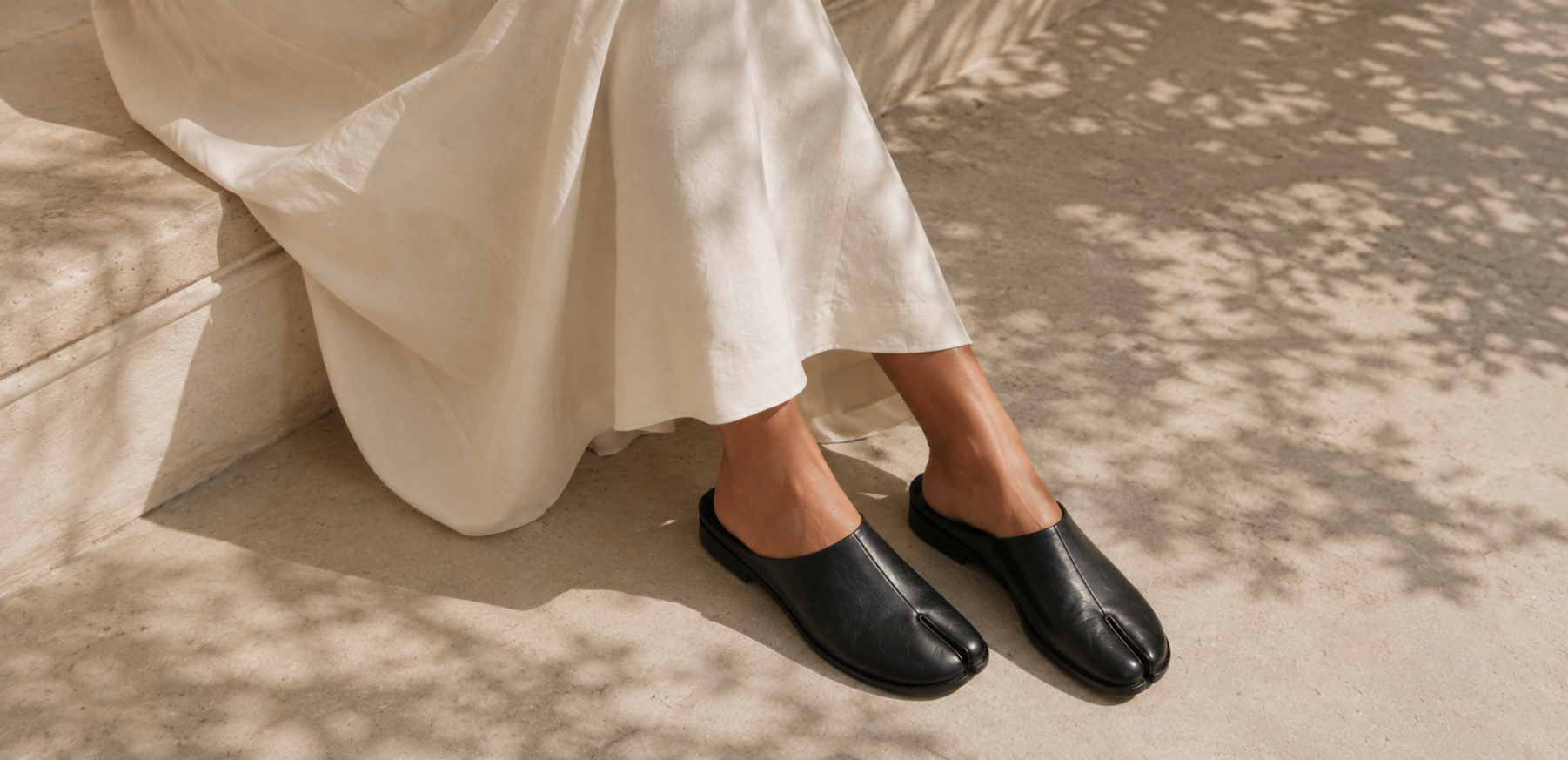
Japanese shoes can be worn with traditional garments such as kimono or yukata, but they also pair beautifully with modern outfits: wide-leg trousers, midi skirts, or minimalist clothing for a contemporary look. Leather or understated tabi models integrate especially well into elegant urban styles.
Adapting Them to Modern Style
For everyday use, neutral colors and clean designs are recommended to make outfit pairing easier. More daring models can be used as statement pieces to create an original and personal style.
Tips for Comfortable Walking
Some Japanese shoes require a short adaptation period, especially rigid-sole models like geta. It is recommended to wear them for a few hours a day at first to gradually improve comfort and balance. Modern tabi, on the other hand, are flexible and easy to incorporate into daily walking.
Tabi: A Unique Type of Japanese Shoe
Among all Japanese shoes, tabi hold a special place thanks to their unique design and ergonomic benefits.
Features and Ergonomics
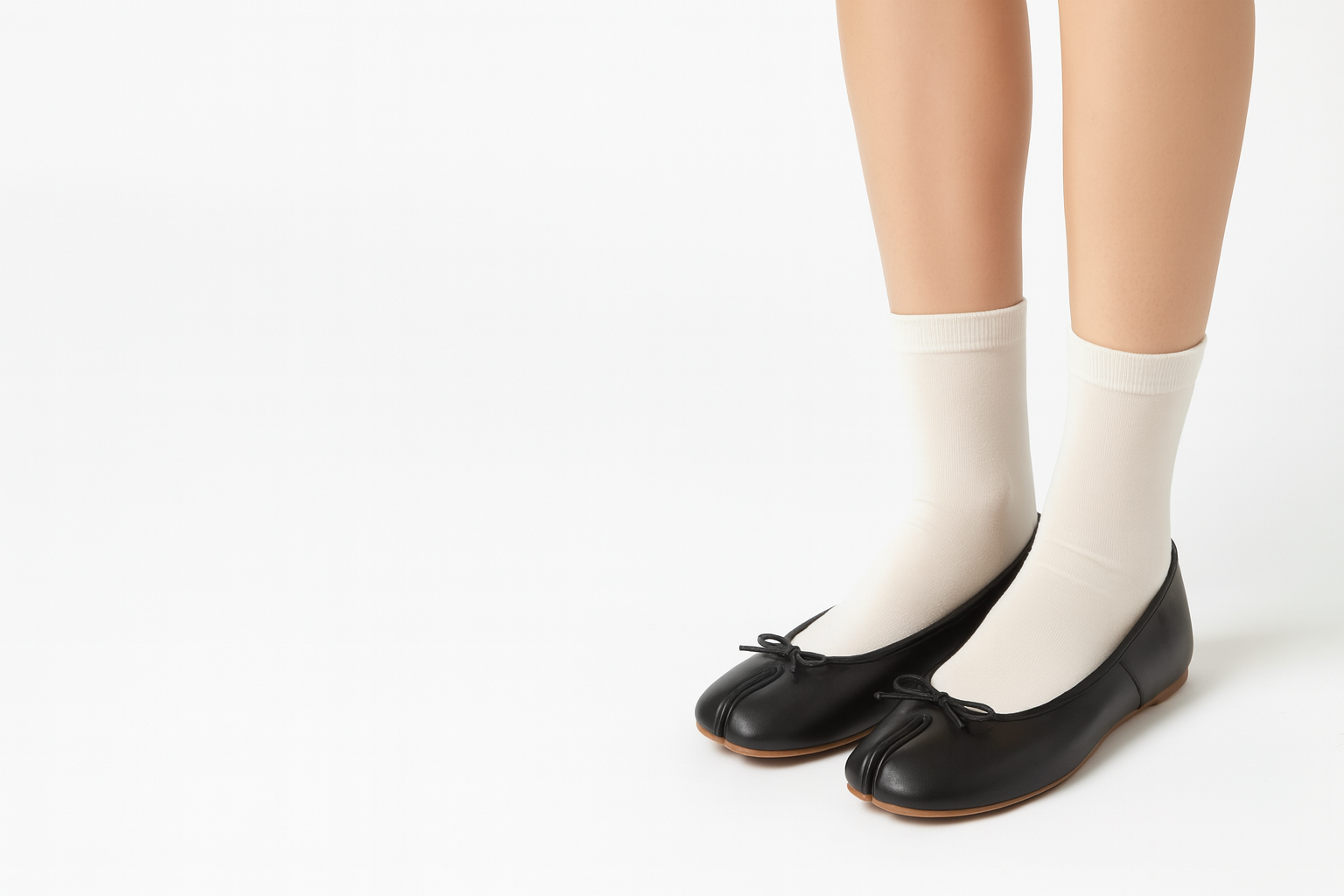
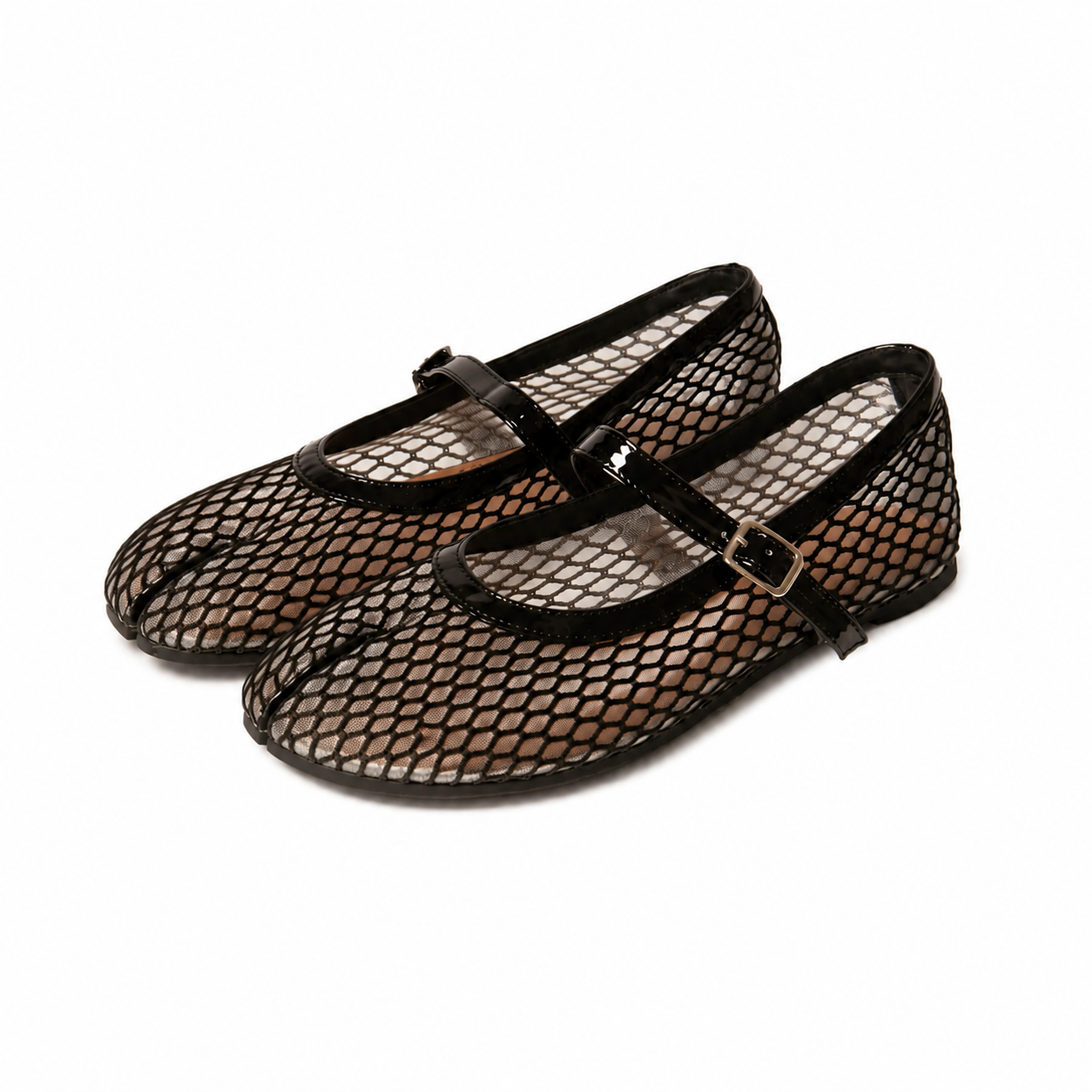
Tabi are recognizable by their split-toe construction, which promotes natural alignment and improved balance. This design encourages a more stable gait and reduces pressure points on the foot. Modern models from Furansu Paris are also designed with soft and breathable materials, combining tradition with modern comfort.
When and How to Wear Them
Tabi can be worn at home, for urban outings, or even for light sports activities. They pair well with both modern and traditional clothing and can also be combined with compatible footwear if necessary. Their unique design makes them a versatile everyday option while adding a distinctive style.
Care and Durability of Japanese Shoes
Proper care extends the lifespan of your Japanese shoes and preserves their comfort.
Cleaning According to Materials
Leather and suede: use a soft cloth and dedicated care products to avoid drying out the material.
Fabric or technical textiles: hand wash or clean at low temperature, then air dry.
Wood or straw: wipe with a dry cloth and avoid prolonged exposure to moisture.
Preventing Wear and Extending Lifespan
Alternating pairs, avoiding excessive rain exposure, and properly storing leather or wooden models helps preserve their shape and comfort. High-quality modern tabi can last for many years when properly maintained.
Mistakes to Avoid With Japanese Shoes
To fully enjoy Japanese shoes, it is important to know what to avoid. Certain mistakes can compromise comfort, durability, and even foot health.
Choosing the Wrong Size
Many people believe larger shoes are more comfortable, or that tight shoes will eventually stretch. In reality, incorrect sizing can cause friction, blisters, toe or heel pain, and even affect posture.
Practical tip: measure your foot flat on the ground and compare it with the manufacturer’s sizing guide. For tabi, it is especially important that the big toe is properly separated and not compressed.
Choosing a Model Unsuited to Your Needs
Each type of Japanese shoe is designed for a specific purpose:
Geta: ideal for traditional occasions or short walks on dry surfaces, but not for prolonged wear.
Zori: perfect for indoor use or light walking.
Modern tabi or jika-tabi: suitable for urban walking, light sports, and standing work.
Choosing the wrong model may lead to fatigue, discomfort, or premature wear.
Neglecting Comfort or Maintenance
Some people choose shoes purely for aesthetics while ignoring practicality or maintenance. This can lead to:
Faster material wear, especially for leather or fabric.
Foot deformation if the shoes do not respect natural foot shape.
Dirt or moisture buildup, particularly on textile models, potentially causing odors or irritation.
Practical tip: rotate your Japanese shoes with other pairs, clean them regularly according to the material, and store them properly to maintain their shape.
Ignoring the Specific Nature of Tabi
A common mistake with tabi is wearing regular socks or incompatible shoes with them. Tabi are designed for direct ground contact or for use with compatible footwear. Using them incorrectly may reduce their ergonomic benefits and create friction.